

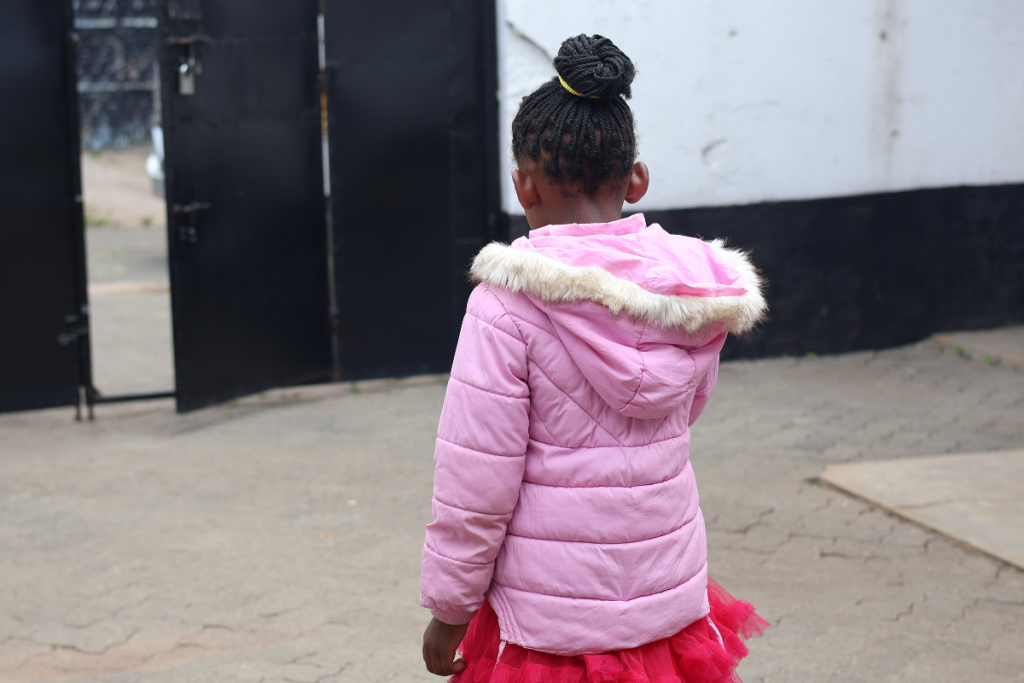
In November 2024, Maisha Girls Safe House convened the Beyond Awareness Conference 2024 under the theme “Strategies to End Child Prostitution and Pornography.” The conference was designed to strengthen collective action against child sexual exploitation by moving beyond awareness toward practical, survivor-centred strategies, accountability, and coordinated system responses.
The conference brought together a diverse group of stakeholders, including survivors, civil society organisations, government representatives, justice sector actors, healthcare providers, community leaders, youth advocates, and the media. The convening created a critical platform to examine the realities of child prostitution and online sexual exploitation, while centring the voices and lived experiences of those most affected.
The conference was organised in partnership with key organisations that contributed technical expertise, advocacy leadership, and survivor-centred perspectives. Talita Sweden, a long-standing global leader in addressing sexual exploitation, played a key role in sharing international best practices, survivor-informed prevention models, and strategies for disrupting exploitation networks. Local and national civil society partners supported survivor participation, facilitated thematic discussions, and grounded conversations in the Kenyan context. Government stakeholders, including representatives from child protection, gender, and justice institutions, engaged on policy, legal frameworks, and institutional responsibilities. Justice sector actors and service providers contributed insights on investigation, prosecution, survivor care, and referral pathways.
Survivor voices were central throughout the conference. Through testimonies and facilitated dialogues, survivors highlighted how child prostitution and sexual exploitation are often sustained by poverty, silence, weak protection systems, and gaps between policy and implementation. Their contributions reinforced the urgent need for child-centred, trauma-informed, and survivor-led approaches across prevention, protection, and justice mechanisms.
Through panel discussions, technical sessions, and participatory exchanges, participants examined:
- Strategies to prevent and respond to child prostitution and sexual exploitation, including online abuse
- Strengthening legal and policy frameworks to protect children and hold perpetrators accountable
- Improving multi-sectoral coordination and referral pathways for child survivors
- The role of safe houses, psychosocial care, and long-term rehabilitation in recovery and reintegration
- Community-based prevention and the responsibility of institutions and society to protect children
Key Outcomes
- Survivor perspectives were formally recognised as essential to shaping effective prevention and response strategies
- Partners strengthened shared understanding and coordination on ending child prostitution and pornography
- Priority gaps were identified within child protection, justice, and survivor support systems
- Commitments were reinforced to child-centred, survivor-informed, and rights-based approaches
The Beyond Awareness Conference concluded with a shared commitment among participants to translate dialogue into concrete action. As a result of the conference:
- Partners reaffirmed their commitment to centering survivor voices in policy, advocacy, and program design
- Stakeholders agreed to strengthen coordination between civil society, government, and justice institutions
- There was collective recognition of the need to prioritise long-term, adequately resourced support for child survivors, including safe shelter, psychosocial care, legal assistance, and economic reintegration
- Participants committed to advancing practical strategies to prevent child prostitution and pornography, grounded in accountability, protection, and survivor dignity
The conference marked an important milestone in strengthening partnerships and aligning national and international efforts to end child sexual exploitation. For Maisha Girls Safe House, it reaffirmed the importance of convening survivor-centred spaces that not only expose the realities of exploitation but also drive collective responsibility, system reform, and lasting protection for children