

In January 2025, His Excellency President William Ruto officially established the Technical Working Group on Gender-Based Violence (GBV), including Femicide, through a Gazette Notice dated 10 January 2025, appointing 42 members to address what has been identified as a national crisis. Chaired by former Deputy Chief Justice Nancy Baraza, the Working Group was mandated to assess legal, policy, and institutional gaps; analyse trends and geographic “hotspots”; and propose reforms to strengthen survivor access to justice and protection.
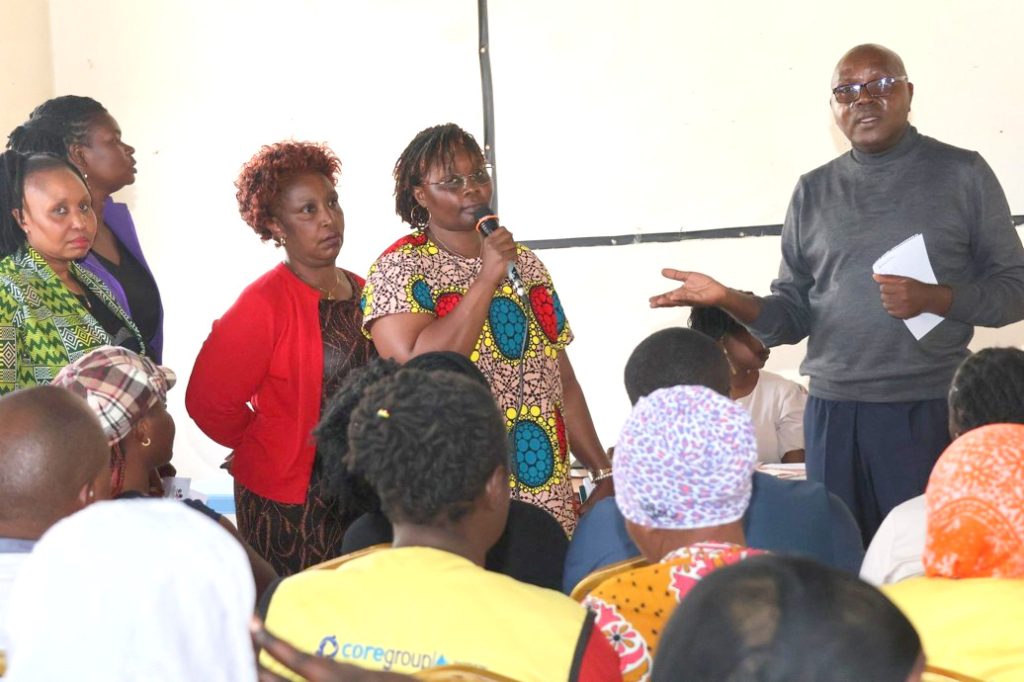
As part of its nationwide public participation process, the Technical Working Group conducted hearings across all 47 counties between 12 May and 28 May 2025. During the final phase of these consultations, the Working Group convened a public engagement session in Kamukunji, Nairobi, on Wednesday, 28 May 2025, at the California Resource Centre Hall, one of the officially designated venues for community submissions.
During the Kamukunji engagement, Maisha Girls Safe House actively participated in the national dialogue, ensuring that survivor perspectives informed the reform process. In preparation for the session, Maisha convened community consultations with survivors and local stakeholders, creating safe and inclusive spaces for survivors to articulate their lived experiences and the systemic barriers they face in accessing justice, protection, and comprehensive support services.
Drawing directly from these consultations, Maisha Girls Safe House formally submitted a memorandum to the Technical Working Group, highlighting priority areas requiring urgent policy and legal attention. The submission emphasized:
- The urgent need for survivor-centred policies that prioritise dignity, rights, and holistic care
- Strengthened referral pathways for reporting and responding to sexual violence
- Expanded access to safe houses and rehabilitation programmes for survivors across the country
- The formal legal recognition of femicide as a distinct criminal offence within Kenyan law
This engagement marked a significant milestone in Maisha’s ongoing advocacy for justice, safety, and empowerment for women and girls. It provided a rare and critical opportunity for survivors to engage directly with a national reform mechanism, ensuring that policy and legislative recommendations are grounded in lived realities rather than abstract frameworks.
By amplifying survivor voices within this national process, Maisha Girls Safe House continues to contribute to the development of a more inclusive, responsive, and survivor-centred national response to gender-based violence and femicide in Kenya.